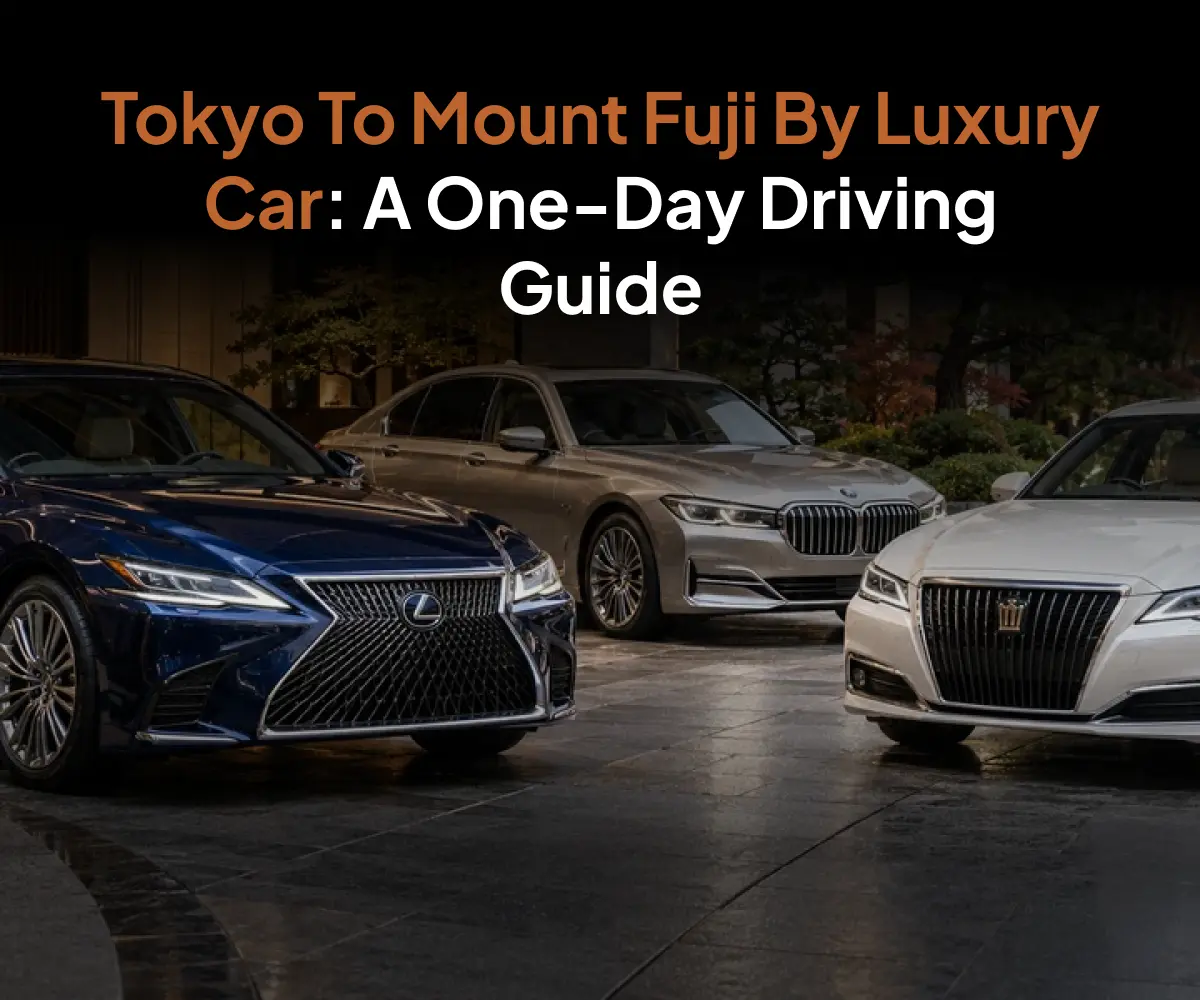
Tokyo looks different through the windscreen of a car you’re excited to drive.
The dense city streets gradually give way to expressways, forested hills, and quieter roads. If the weather cooperates, Mount Fuji eventually appears on the horizon.
For travelers who enjoy driving, a Tokyo to Mount Fuji road trip offers something a typical sightseeing tour cannot: the freedom to choose your pace, stop when the scenery catches your attention, and experience Japan beyond its crowded urban centers.
But there’s a difference between planning a good road trip and simply entering Mount Fuji into your navigation system.
Traffic, mountain weather, toll roads, parking, and your choice of rental car can all affect the experience.
This guide focuses on a practical one-day drive from Tokyo to the Lake Kawaguchiko area, with enough flexibility to enjoy the journey instead of rushing between attractions.
Is Mount Fuji Worth Visiting by Car From Tokyo?
For many travelers, yes – particularly if they enjoy road trips and want control over their itinerary.
Public transportation can get you to the Mount Fuji area, but a rental car gives you more flexibility when deciding where to stop and how long to stay.
You can plan around the weather, spend more time at a viewpoint, enjoy lunch overlooking the lake, or head back earlier if conditions change.
That freedom is particularly appealing when the driving experience itself is part of your trip.
However, driving isn’t automatically the best option for everyone.
If you only want to visit one attraction, public transport may be simpler. If you prefer not to deal with expressway tolls, parking, or navigating unfamiliar roads, a train or bus may be a better fit.
A rental car makes the most sense when you genuinely want to enjoy both the journey and the destination.
The Best Route From Tokyo to Mount Fuji
For a straightforward day trip, Lake Kawaguchiko is a useful destination.
It sits in the Fuji Five Lakes region of Yamanashi Prefecture and is known for its mountain views, lakeside scenery, and visitor facilities.
The typical driving route from western Tokyo uses the Chuo Expressway toward Otsuki Junction, continuing on the branch toward Kawaguchiko Interchange.
From there, local roads lead to the lake.
How Long Does the Drive Take?
Allow approximately two to three hours each way as a practical planning estimate from central Tokyo, with additional time for congestion or breaks.
Actual travel time depends on your starting location, departure time, weather, and road conditions.
Weekend traffic can make the journey considerably longer, particularly during popular travel seasons.
The most common planning mistake is treating the fastest navigation estimate as a guaranteed arrival time.
If you want time for lunch, photography, and sightseeing, build a generous buffer into your schedule.
Should You Take the Expressway or Local Roads?
For most first-time visitors, the expressway is the more straightforward option.
It’s generally easier to follow over a longer distance and avoids the repeated intersections and traffic lights of local roads.
Local roads may offer opportunities to explore smaller towns, but they can also add significant driving time.
If you’re renting a luxury or high-performance car, choose your route based on road suitability and comfort rather than trying to find the most demanding corners.
The purpose of the journey is to enjoy the car and surroundings safely, not to test the vehicle’s performance.
A One-Day Tokyo to Mount Fuji Driving Itinerary
You don’t need to visit every viewpoint around Mount Fuji to have a memorable day.
A simple itinerary with two main stops leaves room for unexpected delays, quieter moments, and the occasional change of plan.
7:00–8:00 AM – Leave Tokyo Early
An early start gives you a better chance of avoiding some city congestion and arriving in the Fuji Five Lakes area before the busiest sightseeing period.
Before leaving, make sure you’ve checked the vehicle’s fuel level, navigation, toll-payment arrangements, and estimated return time.
If you’ve just collected the rental car, allow additional time to familiarize yourself with its controls.
Drivers new to Japan should remember that traffic keeps left and vehicles are generally right-hand drive.
Don’t rush onto the expressway before you’re comfortable with the car.
9:30–11:00 AM – Explore Lake Kawaguchiko
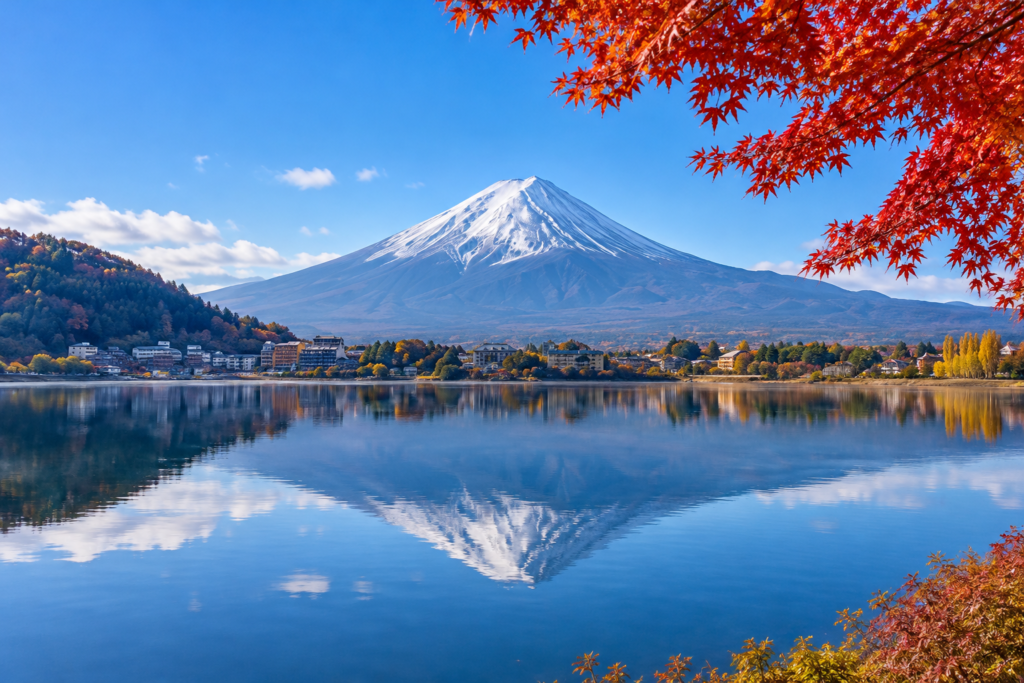
Lake Kawaguchiko is an excellent place to begin your Mount Fuji visit.
On a clear day, the combination of water, mountains, and lakeside scenery creates an impressive setting.
Find an authorized parking space and take time to explore on foot.
The northern lakeshore is especially appealing for Mount Fuji views, although visibility changes with the weather.
You might spend this part of the morning enjoying the scenery, photographing the landscape, or simply taking a break after the drive.
If you’re traveling in a special rental car, remember that popular sightseeing areas are shared public spaces.
Use designated parking areas for photographs, avoid blocking roads or entrances, and respect pedestrians and nearby residents.
A scenic photograph isn’t worth creating a traffic hazard.
11:00 AM–12:30 PM – Enjoy Lunch Near the Lake
Rather than hurrying to another attraction, make lunch part of the experience.
The Kawaguchiko area offers restaurants, cafés, and local dining options.
Yamanashi is known for hoto, a regional noodle dish often served in a hearty miso-based broth with vegetables.
It’s a satisfying choice if you’d like to experience something local during your drive.
Check restaurant opening hours and parking before arrival, particularly on busy weekends.
A leisurely lunch also provides an opportunity to reassess the weather and your remaining rental time.
12:30–2:00 PM – Visit the Mount Fuji Panoramic Ropeway
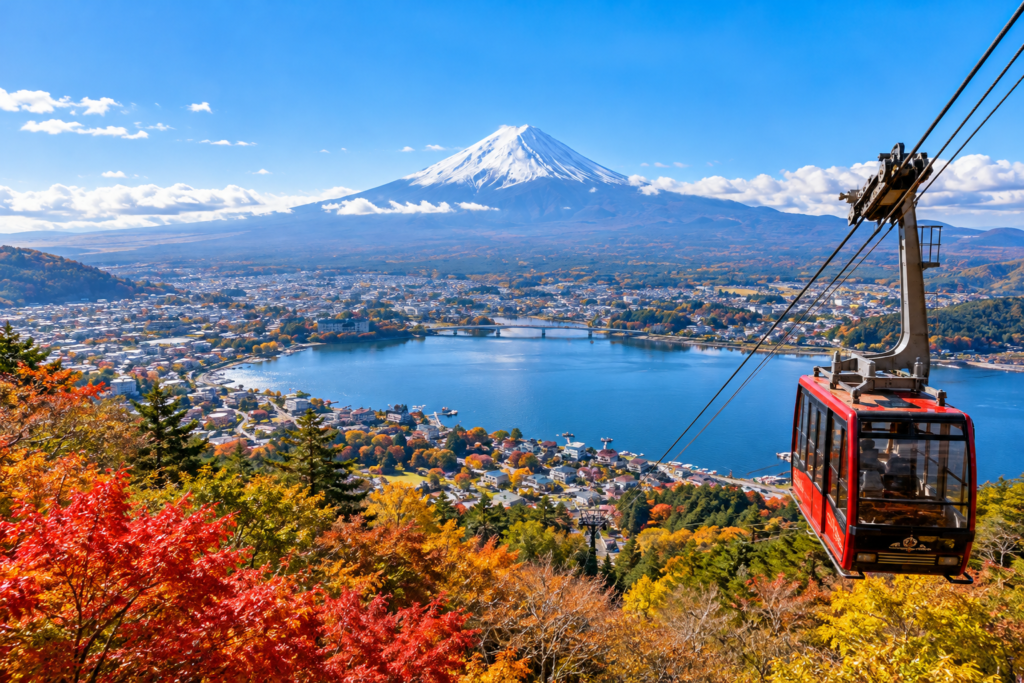
For a different perspective, consider the Mount Fuji Panoramic Ropeway near the eastern side of Lake Kawaguchiko.
It offers elevated views over the surrounding landscape, with Mount Fuji visible when conditions are clear.
This is a good second stop because it gives you an experience beyond simply driving around the lake.
Use the official designated parking facilities and check the ropeway’s operating status before traveling.
Weather, maintenance, waiting times, and seasonal schedules can affect the visit.
If conditions aren’t suitable, there’s no need to force the stop. Enjoying more time around the lake may be the better choice.
2:00–3:00 PM – Begin the Drive Back to Tokyo
Leaving the area in the afternoon gives you some flexibility if traffic builds on the return journey.
This isn’t a fixed departure time. Your ideal schedule depends on your rental deadline, the season, and the traffic forecast.
If you’re returning the vehicle the same day, calculate the journey back to the actual return location, not simply central Tokyo.
Allow time for refueling, unexpected delays, and the company’s return inspection process.
A relaxed final hour is much better than rushing to avoid a late-return charge.
Which Rental Car Is Best for a Mount Fuji Road Trip?
Not every vehicle is equally suited to a long day on the road.
The right choice depends on who you’re traveling with and what you want from the driving experience.
Luxury Cars for a Comfortable Scenic Journey
For couples or travelers prioritizing comfort, a luxury sedan or grand tourer may be an excellent choice.
A refined cabin, supportive seating, and practical luggage space can make several hours of driving more enjoyable.
If you intend to spend much of the day sightseeing, a comfortable vehicle may be more rewarding than one chosen entirely for its performance specifications.
Supercars for an Occasion-Focused Experience
A supercar can make a special trip feel even more memorable.
But the Fuji Five Lakes area is not a racetrack.
Narrow roads, changing weather, uneven entrances, and busy sightseeing locations require care, particularly with low or wide vehicles.
Choose a supercar only when you’re comfortable with its dimensions and the route is appropriate for the model.
Always follow road rules and rental restrictions.
JDM Cars for Japanese Automotive Enthusiasts
If Japanese performance cars are part of the reason you’re visiting Japan, a drive toward Mount Fuji may be an appealing way to experience one.
The expressway journey and changing landscape can provide an opportunity to enjoy the car during ordinary, legal driving.
However, consider the specific vehicle rather than assuming all Japanese sports cars behave alike.
Transmission type, driving position, age, cabin space, ride comfort, and luggage capacity can vary considerably.
For a full-day outing, those details matter.
Before booking with Tokyo Luxury Car Rental, compare the vehicles actually available for your travel date and check their permitted use, mileage terms, and return conditions.
How Much Does a Tokyo to Mount Fuji Road Trip Cost?
The cost depends on the vehicle, route, rental period, and activities you choose.
A useful budget includes more than the daily rental price.
Rental cost: Check the price for the exact vehicle and rental duration. A one-day itinerary may not fit every rental company’s pickup and return schedule.
Expressway tolls: The Chuo Expressway route generally involves tolls. Charges vary by entry and exit points, vehicle classification, and applicable discounts.
Fuel: Confirm the required fuel type and whether the vehicle must be returned with a full tank.
Parking: Some sightseeing parking areas are free, while others may charge. Availability and vehicle-size restrictions can differ.
Activities and meals: Ropeway tickets, lunch, and other attractions are separate travel expenses.
Potential additional rental charges: Ask about mileage limits, extra drivers, insurance excess, deposits, late returns, and other applicable fees.
For a more reliable estimate, plan your route first and then request the complete rental cost for that itinerary.
When Is the Best Time to Drive From Tokyo to Mount Fuji?
There isn’t one perfect month for every traveler.
The right season depends on whether you’re prioritizing clear views, flowers, autumn colors, or comfortable driving conditions.
Spring: Blossoms and Changing Weather
Spring brings seasonal flowers and appealing scenery, but popular sightseeing areas can become crowded.
Weather can still be cool around Mount Fuji, especially at higher elevations.
Summer: Green Landscapes and Less Predictable Views
Summer offers lush scenery, but humidity, rain, and cloud cover can make Mount Fuji difficult to see.
A clear view of the mountain should be treated as a bonus, not a guarantee.
Autumn: Colorful Lakeside Scenery
Autumn is popular for the changing colors around the Fuji Five Lakes.
The northern shore of Lake Kawaguchiko is particularly well known for seasonal foliage.
Expect more visitors during peak foliage periods and allow extra time for sightseeing and parking.
Winter: Clear Views With Additional Driving Considerations
Winter can offer excellent long-distance visibility, making it appealing for Mount Fuji photography.
However, cold temperatures, snow, and ice can affect driving conditions.
Check forecasts and road restrictions carefully.
Do not assume that a luxury, supercar, or performance vehicle is equipped or approved for snowy roads.
Confirm winter tire availability and vehicle restrictions with your rental provider. If conditions are unsuitable, change your plans.
What to Check Before Renting a Car for the Drive
A well-planned Mount Fuji road trip begins before the keys are handed over.
Confirm the following details:
- Your driving documents are valid for Japan and accepted by the rental company.
- The selected vehicle is permitted for the proposed route.
- The rental period allows enough time for the complete return journey.
- Mileage allowances cover your estimated round trip and local driving.
- Toll-payment arrangements are clear, including whether an ETC card is available.
- The insurance terms, accident procedures, and financial responsibilities are understood.
- The vehicle’s fuel policy and parking requirements are clear.
- Weather, road conditions, and the latest traffic information have been checked.
These details may sound less exciting than choosing a sports car, but getting them right makes the driving experience far more enjoyable.
Plan Your Mount Fuji Drive With Tokyo Luxury Car Rental
A Tokyo to Mount Fuji road trip doesn’t need an overloaded itinerary to feel special.
Sometimes the most memorable part of the day is the contrast: leaving Tokyo’s busy streets, enjoying the open landscape, stopping beside a lake, and returning with a different view of Japan.
Whether your ideal vehicle is a comfortable luxury car, an exotic supercar, or a Japanese performance machine, start by choosing a car that suits the journey.
Explore the vehicles at Tokyo Luxury Car Rental, check availability for your planned date, and confirm the rental conditions before setting out.
The destination may be Mount Fuji, but the drive can be just as memorable.